Training
How to Fuel Properly for Multi-Day Bikepacking Adventures
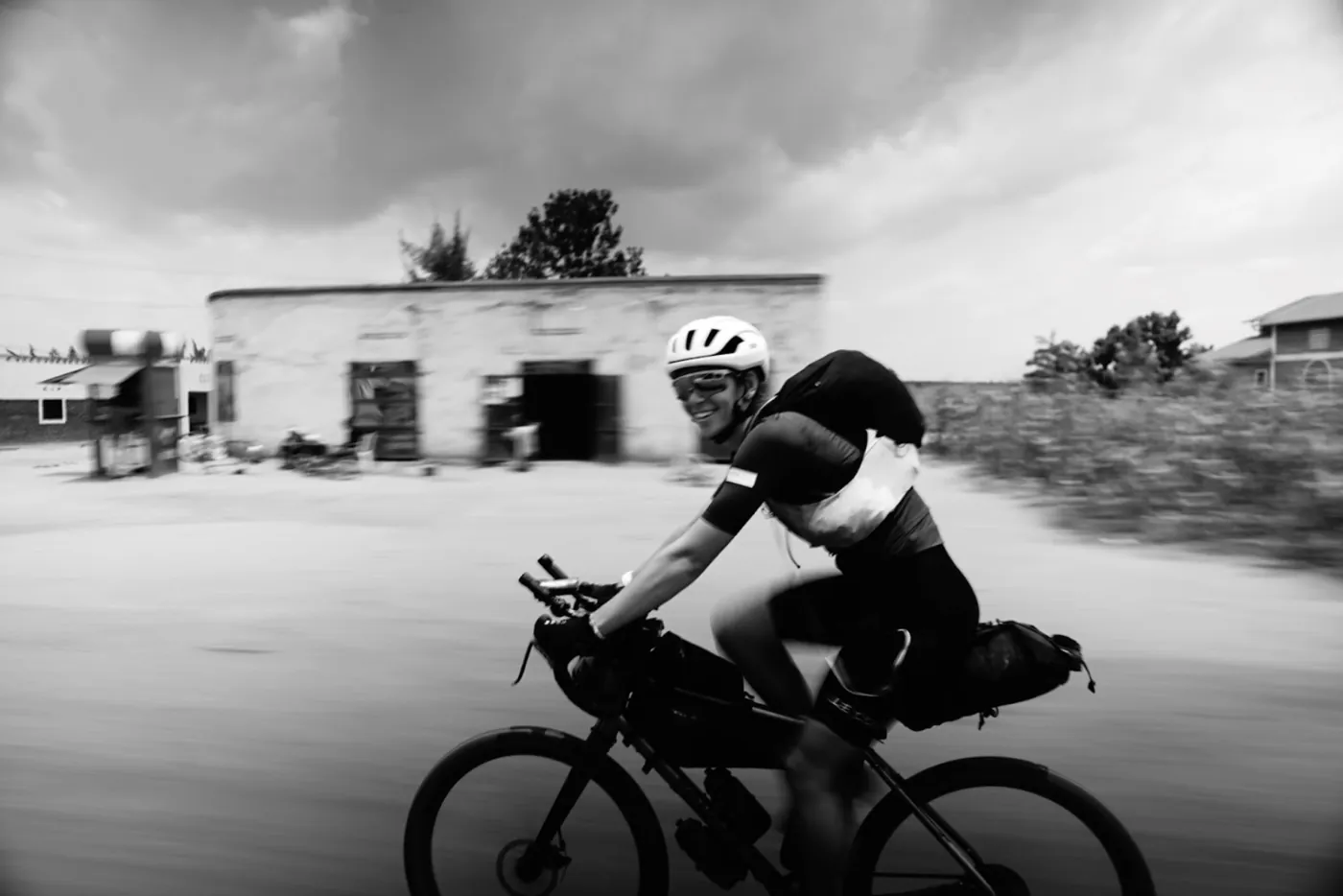
In my opinion bikepacking is one of the best ways to travel and see a country or area. You can cover great distances over several days and really feel like you get to explore a country. My name is Rachel, I am a dietitian and sports nutritionist - I also love going on bikepacking adventures. From short adventures in the UK, where I live, to multi-day bikepacking races in Rwanda and Norway. I work with individuals from adventurers to professional athletes to fuel their adventures and races.
If you are thinking about booking an adventure or have already committed, then you must ensure that you have the energy to complete it and be able to enjoy it as much as possible. Therefore it is important to consider your nutrition. You may not be hoping to complete the days in record time or go for your longest cycle; so therefore you may think it is not necessary to consider and practice your nutrition prior to your trip. But I am a true believer that if you get on top your nutrition then you can enjoy the journey even more.
If you have ever gone on a long ride and not eaten enough then you may have experienced 'bonking' or 'hitting the wall' - if you have, I am sure you will agree with me that it is not fun and certainly not something that you want to regularly experience. Running out of energy does not feel nice, but the good news if you execute your nutrition this should never happen again.
Why Is Nutrition Important?
Whether you like it or not, nutrition is important every day. Food is fuel in the simplest sense, food provides us with energy and 'fills the tank'. It is obviously a lot more than just fuel, but when we are talking about sports nutrition it is important to ensure we tick that box primarily.
By focusing on your nutrition and eating the right food, this can help you:
- Sustain your energy levels
- Improve your endurance
- Speed up your recovery
- Keep you smiling
Carbohydrates Are King
Carbohydrate is the primary fuel source whilst exercising, it provides us with immediate energy. We store a small amount of carbohydrate in our body in the form of glycogen in our muscles and liver, but that is not enough to sustain us for a whole day's activity, let alone back to back days. Therefore you need to take on some carbohydrate to keep your energy levels up if you are cycling for longer than one hour.
Think about it like a phone battery, if you start the day fully charged it will gradually decrease during the day even when you are not using it, but if you use your phone for gaming or watching videos then the battery will decrease at a much faster rate; meaning you will have to stop to ensure it doesn't totally run out of battery or put it on charge. This is the same for you; your 'battery' will decrease across the day when you are going about your usual life, add in your cycling and the battery will decrease at a much faster rate. In order to keep it topped up that is where carbohydrates come in.
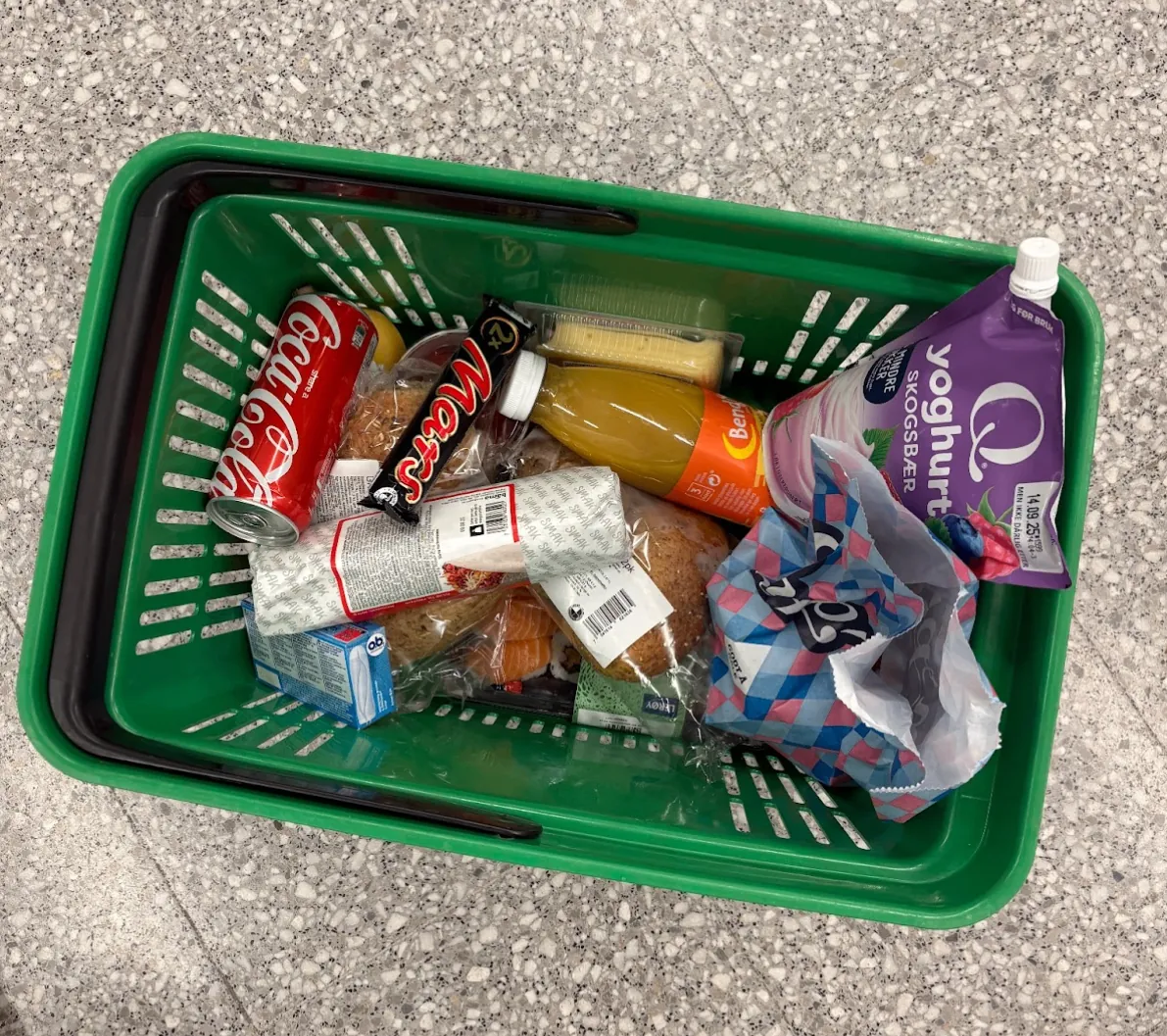
Good sources of carbohydrate include bread, rice, pasta, potato, fruit, milk, sweets, chocolate, biscuits and fizzy drinks. There are the more 'simple' carbohydrates (sugars) which are quickly digested then the more 'complex' carbohydrates (starches) which break down more slowly.
To fuel activity we need a mix of both, but prioritising the simple carbs i.e. sweets, chocolate, biscuits, fizzy drinks can be more beneficial as they will provide us with the immediate energy we need when exercising. However for the meals around the activity choosing the more complex starches i.e. higher fibre options are more beneficial for health and keeping you full and satisfied.
If you are active all day, your overall energy (calorie) requirements will increase, so you will need to eat more than usual. Just boost up your portion of carbohydrate at meals to help make up for this additional need.
Ready for Your Own Adventure?
Now that you know how to fuel properly, it's time to plan your next bikepacking adventure. Explore our carefully curated cycling trips across Europe and Africa.
Be Prepared
Depending on where your adventure is, there may be different types of food than you are used to eating. Will your route have plenty of shops or restaurants to access or do you need to carry more food on the bike? The day before your adventure starts is important - make sure you are eating regularly to ensure your 'battery' is completely full at the start of your adventure.
Test Before You Go
You will likely not have much storage on your bike, so you want to ensure that you are taking the food that you really enjoy and can tolerate well whilst cycling. I know when I started cycling that I found it really difficult to eat on the move as I struggled to take my hands off the handlebars (I am still working on cycling with no hands!), which made it really difficult to eat enough.
Important considerations:
- What is easy to open whilst riding? If the packaging is difficult, then I like to decant into ziplock bags or wrap in tin foil as that is generally much easier to open.
- Durability: What is going to withstand being bounced around and squished in your bag or pocket. Some cakes and crisps often do not last long!
- Temperature: If it is hot, be careful about food melting (chocolate can be a nightmare), and consider using spreads like jam or honey in sandwiches rather than ham or cheese so they last longer. If it is cold, this can change the texture of foods and they can become very difficult to eat.
Proactive Fuelling
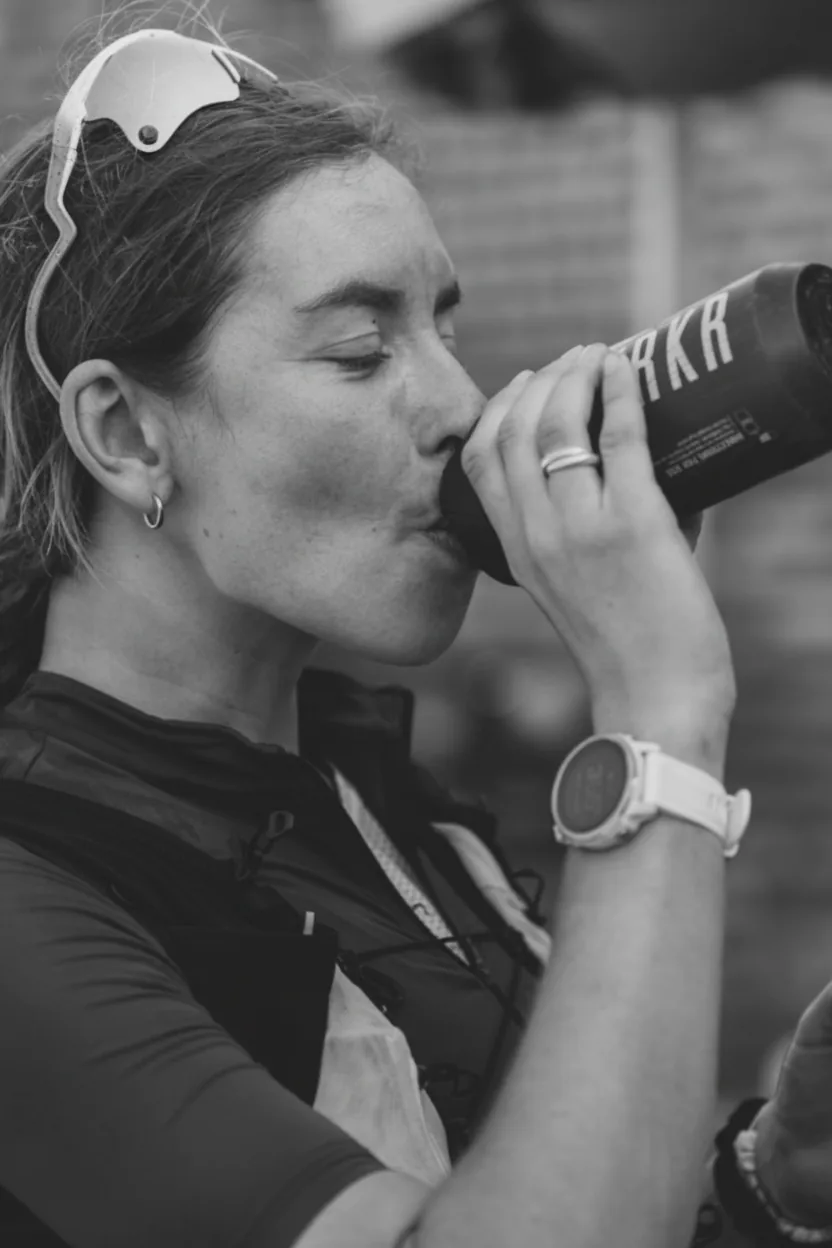
Whilst you are exercising, the key is to 'eat before you need to eat' and 'drink before you need to drink'. Being proactive will help you to maintain your energy levels, rather than playing catch up when they dip. This means you should start fuelling within the first hour of the activity, and regularly thereafter.
If you find it difficult to eat all the time, think about using a carbohydrate drink in one of your water bottles. This is a bonus as it means you get energy and keep well hydrated at the same time!
Lightweight Options
It is important to go lightweight but energy dense as space is a premium on the bike. Nuts and nut butter can be great options here. Avoid using light/low fat options for foods as this will probably just mean you end up needing to carry more.
Hydration
Hydration is often a forgotten part of nutrition and performance. But it is very important - the simplest way to monitor your hydration status is looking at your urine - you are aiming for a pale straw colour, anything darker than this and you are going to be dehydrated.
Keep your water easily accessible and sip away - hydration bladders can be really helpful on the bike as two water bottles may not be enough if you cannot top up your bottles regularly. Electrolytes will only be needed if you are exercising at high intensity, or heavily sweating.
Recovery after cycling
After a long day's cycle ensuring you optimise your recovery is going to be key for multiday adventure. Make sure you get a high carbohydrate and protein snack or meal in within 1-2 hours of stopping. This will help optimise your recovery and ensure you feel able to spend another day on the bike.
A couple of favourite recovery snacks include: chocolate milk, Greek yoghurt and fruit or beef jerky and crackers. Then ensure you have a hearty meal with a generous portion of carbohydrate (pasta, rice, bread, potato) alongside a source of protein. Also remember to rehydrate and get a good nights sleep to optimise your recovery.
Top Tips Summary
- Preparation is key - take what you like and ensure you have sufficient fuel for your adventure.
- Be proactive with your fuelling - don't leave it until you are hungry and thirsty, that is too late!
- Check the weather and choose snacks appropriately.
- Remember carbs are key for energy.
- Most importantly eat snacks and enjoy the adventure!
About the author
Rachel White is a sports nutritionist and dietitian working in the UK. She works with adventurers to professional athletes to optimise their nutrition for performance and events through her business Rachel White Nutrition. Rachel loves trail running and gravel cycling and is often found running or cycling up hills eating cheese sandwiches, or searching out a café for a coffee and pastry!
Chat with Kees on WhatsAppRead next
Bikepacking bags: how to protect your bike from damage
On gravel, bikepacking bags slowly rub through your frame's paint. Here's how a coating and paint protection film keep your bike, carbon included, safe.
3 min read Legendary Rides
Bikepacking Packing List: How to Pack Smart for Your Gravel Trip
It's all about the balance between freedom and functionality. Here is our essential packing guide to ensure you're ready for the road less travelled.
2 min read Legendary Rides