Gear & Preparation
Bikepacking bags: how to protect your bike from damage
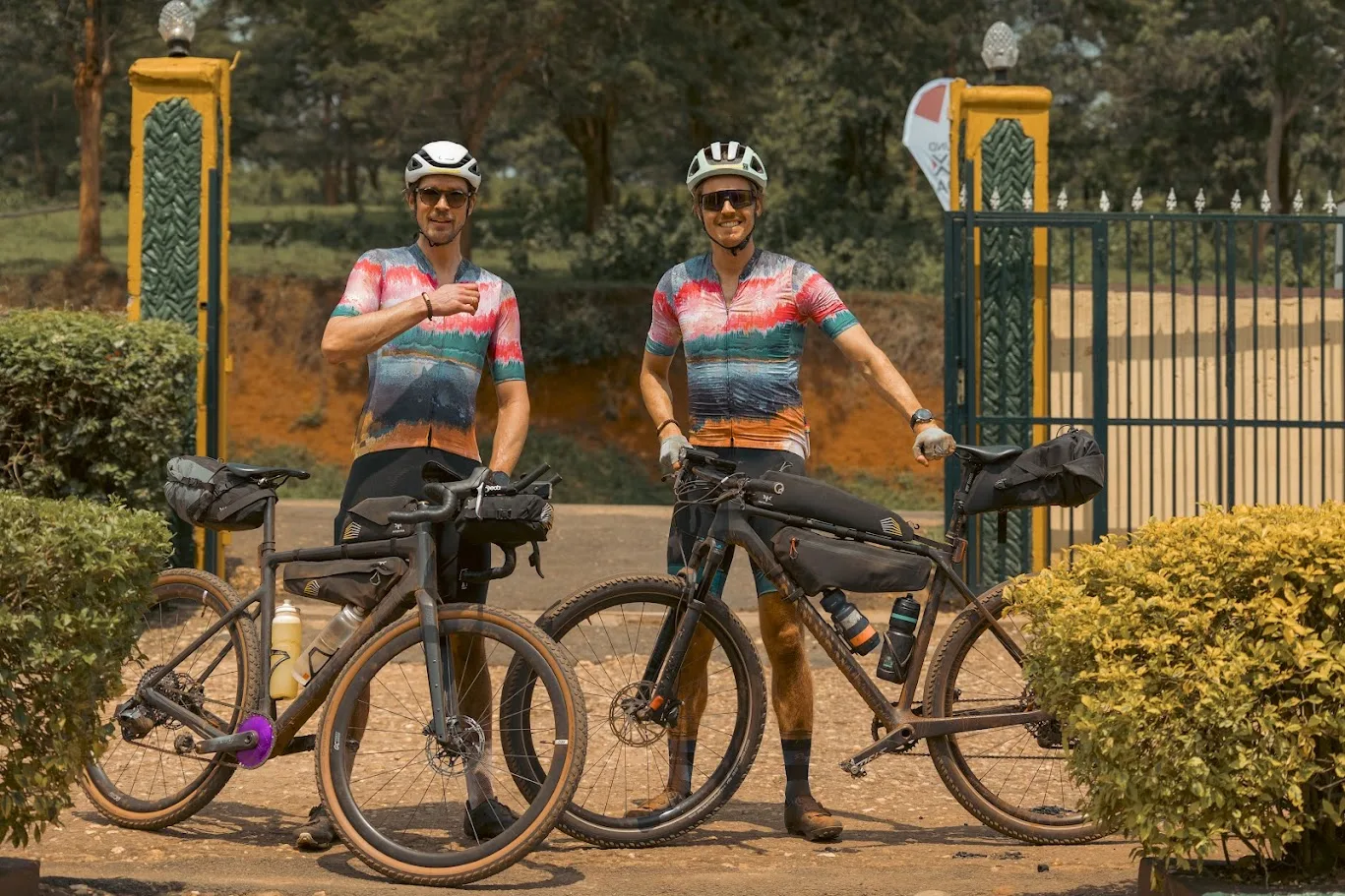
Your bike is built to cover kilometres. But it's exactly on a bikepacking trip, where your frame carries heavy bags over gravel and sand for days, that the kind of damage appears that you only notice when it's too late. Not a crash or a stone chip, but wear that slowly eats through your paint. Here's where it goes wrong, and how the right protection keeps your bike looking good for longer.
Why bikepacking bags damage your frame
A frame bag, handlebar roll or saddle bag is never completely still. On every bump the bag shifts a fraction against your frame. On tarmac you barely notice it. On gravel, grit and sandy tracks it happens thousands of times a ride.
At those contact points, exactly what you don't want starts to happen:
- Straps and Velcro rub the paint away at your head tube, top tube, down tube and seatpost.
- Dust, sand and grit creep between the bag and the frame and work like sandpaper.
- Moisture gets trapped under the bag, so dirt sticks and keeps rubbing.
With a painted steel or aluminium frame this is mainly cosmetic. With carbon it's more sensitive. Once a strap rubs through the clear coat, the structural layer underneath is exposed. On an expensive gravel bike, that's something you really want to avoid.
In short: the damage doesn't come from one big hit, but from a thousand small movements. That's exactly why you often see it too late.
Protection option 1: a bike coating
A coating is a thin protective layer applied over your paint. Dirt and water stick to it less, your bike stays cleaner for longer and is easier to wash. Good coatings work on gloss, matte, carbon, titanium and plastic, and last two to three years depending on the type.
A coating is ideal as a base. It keeps your frame clean and protects against dirt and light wear. What it doesn't do is protect your frame against the mechanical rubbing of bags. For that you need something tougher.
Protection option 2: paint protection film
For bikepacking, protective film is the real solution. This is a strong, almost invisible film that goes exactly on the vulnerable spots of your frame. It absorbs the rubbing and the knocks, so the paint underneath stays perfect.
Protective film protects against stone chips, scratches, contact damage and wear. It adds almost no weight and you barely see it on the bike. You apply it precisely where your bags make contact: the head tube, the chainstay, the down tube and the top tube. That way you protect exactly the spots where your frame bag, bar bag and saddle bag rub the most.
Coating or film: what should you choose?
For most bikepackers, the combination is smartest. The film takes the rubbing from the bags. The coating keeps the rest of your bike clean and water-repellent. Together they make sure your bike still looks good after a hard trip and keeps its value. It's a small investment compared to a rubbed-through carbon frame or an expensive respray.
Get it done right: our partner De Fietssoigneur
Want this handled by a specialist? We work with De Fietssoigneur, our partner in bike protection, who do both the coating and the protective film under the name Bike Armour, and as a Legendary Rides rider you get 10% off. Have your bike protected before you head out: see the options and current prices at defietssoigneur.nl, mention Legendary Rides for your discount, and ride your next legendary ride well protected.
Still looking for that next ride? See our self-guided gravel bike holidays.
About the author
The Legendary Rides team builds and tests self-guided gravel trips in the Netherlands, Andalusia, Slovenia, Scotland, Norway and Rwanda.
Chat with Kees on WhatsAppRead next
Bikepacking Packing List: How to Pack Smart for Your Gravel Trip
It's all about the balance between freedom and functionality. Here is our essential packing guide to ensure you're ready for the road less travelled.
2 min read Legendary Rides
How to Fuel Properly for Multi-Day Bikepacking Adventures
In my opinion bikepacking is one of the best ways to travel and see a country. Learn how to fuel your adventures from a sports nutritionist.
6 min read Rachel White