Essay
The Revolver and the Raincoat: The Enduring Freedom of the Legendary Ride
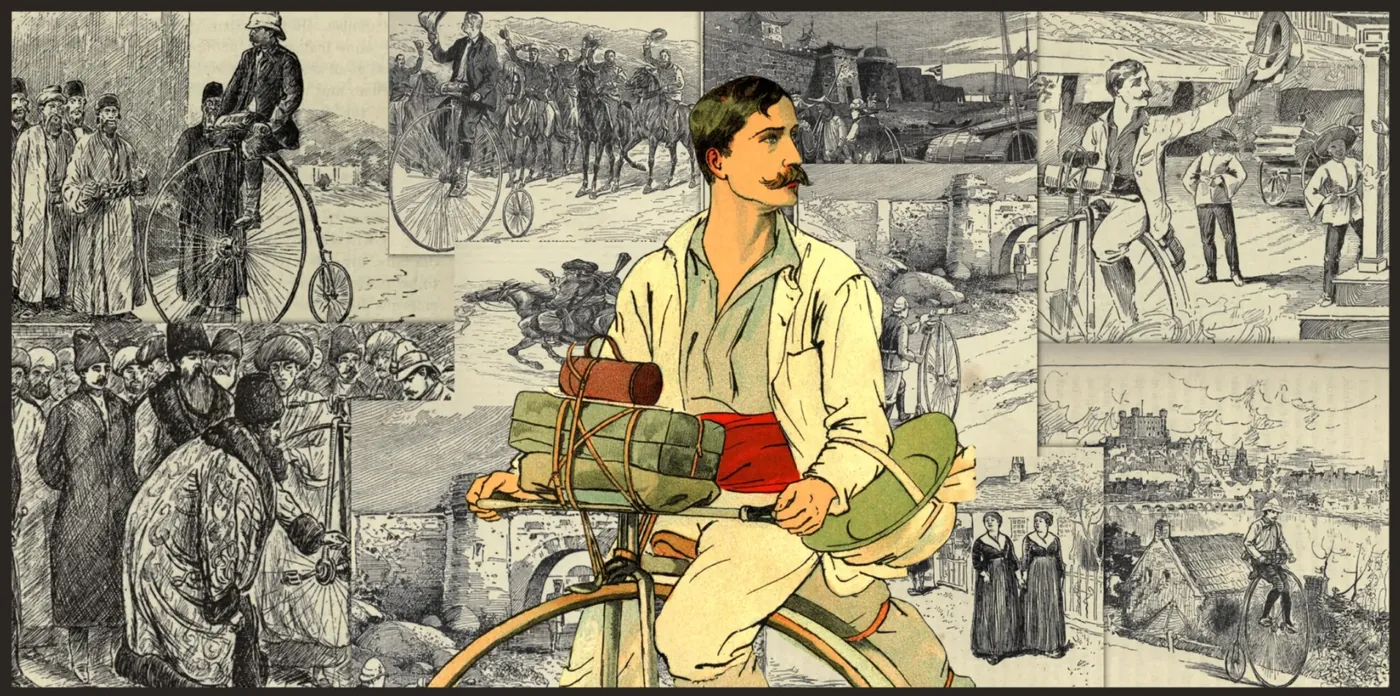
The history of what we, today, call "bikepacking" is a tale almost as old as the bicycle itself. At 8am one Tuesday, in the spring of 1884, Thomas Stevens, an Englishman working in the mines of Colorado, climbed up and into the lofty saddle of his Columbia high wheeler, legs astride its fifty-inch front wheel, and set off from San Francisco to begin the world's first Really Long Bike Ride.
Carrying nothing besides a raincoat - which moonlighted as his flysheet - a spare shirt, some extra socks, and a snub-nosed pocket revolver (lighter, presumably, than its full-barrelled counterpart), Thomas pedalled out to the Embarcadero, took a short ferry across the bay to Oakland, and set off on history's maiden, two-wheeled continental traverse.
Arriving 104 days later in Boston, with 3,700 miles of rough wagon track having passed beneath wheel and boot - more than a third of the route was, reportedly, unrideable - he kept his gaze East. With a winter in Boston and another in Tehran, he went on to tackle a further ten thousand miles across Eurasia, arriving back by ocean steamer into that same San Franciscan bay nearly three years later. Stevens was a pioneer; his journey an eccentric exploration into the unknown. But his choice of vehicle? That was hardly surprising.
The Bicycle as Freedom
In the world of Thomas Stevens, the bicycle represented the pinnacle of personal transport. His was a world ruled by steam and steed, where covering any great distance required a complex logistical chain of cooperation. You couldn't get very far without sailors, stokers, straw and stables. Making progress was a team effort. With the arrival of the bicycle, however, that changed. Journeys no longer relied on caravans of people and animals, or great hulks of complex machinery. With the help of nothing more than two wheels, connected by a frame and driven by a chain, it was now possible to traverse entire countries and continents under one's own steam. The bicycle as a symbol of freedom was born.
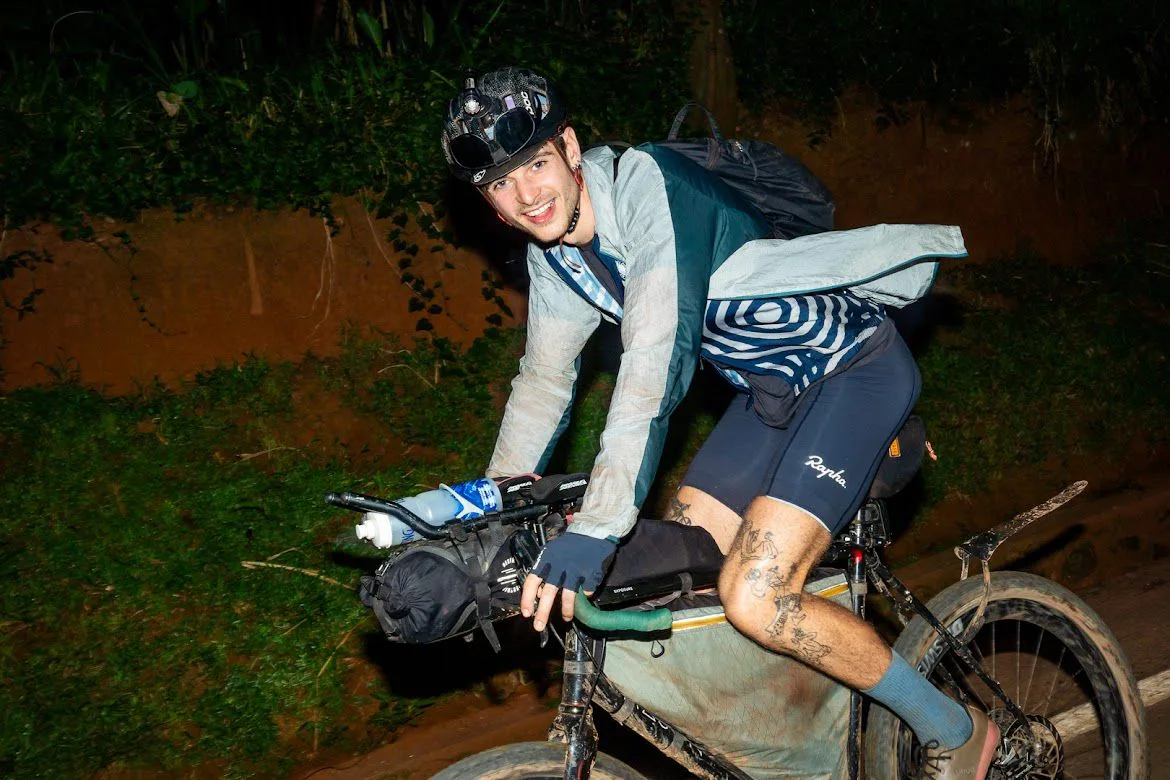
And it's a symbol that has endured. Against the protean backdrop of the last century and a half, freedom has remained an integral string to the bicycle's bow - not a bad innings, considering the complete metamorphosis of our social, cultural and technological context in that time. From the early 20th century, where the inaugural editions of what have since become the "Classic Races" saw ordinary people cover extraordinary distances across Europe; through the counter-cultural mountain-biking boom coming out of California in the mid-70s, where denim-clad daredevils with buttocks of burlap sought out paths less pedalled; to the recent phenomenon of celebrity cyclists, livestreaming their odysseys for vicarious consumption; that same symbol remains: two wheels, pneumatic tyres, a diamond frame and a chain. Perfect simplicity. Unbounded freedom.
Ready for Your Own Legendary Ride?
Experience the freedom of two-wheeled travel with the comfort of expert curation. Explore our self-guided cycling adventures.
Why Bikepacking?
From the uninitiated, perhaps the most common question associated with today's burgeoning obsession with bikepacking is, simply, why? In a world that has far surpassed the Fordian dream of a car on every street, choosing to travel any distance by bicycle seems, to many, to verge on the absurd. It is an arbitrary obstacle; an inconvenient challenge. And it's true. Anyone unlucky enough to have been burdened by an unrideable bicycle will know that there's nothing in the world quite so cumbersome.
When it comes to transporting the thing any distance, in the hope of sampling some riding beyond the confines of your back garden, there are reservations, boxes, fees and fine print, not to mention the acute anxiety that your precious steed may at any moment be dropped, scuffed, lost or stolen. Bent derailleur hangers fuel sleepless nights and luggage weight limits preoccupy waking hours. Backpack 1; bicycle 0.
"But when it comes time for the thing, instead, to transport you, it's suddenly quite clear why the phenomenon of bicycle travel has remained so, well, phenomenal."
The open road is a hackneyed ideal, yet with a bike, you can go one step further - right off the edge of the tarmac map. Bikepacking transports you on less travelled trails, beyond the reaches of more typical tourism. It welcomes flexibility. Unconstrained by coach schedules or group itineraries, it leaves you to choose your own course, rather than be fed the house special. Chance encounters; "trail magic"; serendipity crouches beyond each horizon.
The Best of Both Worlds
So how do you reconcile the two? How do you sidestep the vexations of a vehicle that seems to cling to domestic confines, yet which, once liberated, transforms from a clumsy constraint to a catalyst for profound experience? There must be some middle ground between the spartan solitude of Thomas Stevens and a trip where every day is mapped out for you; a way to have your cake and eat it: the freedom to choose your own course, without having to figure everything out yourself.
The notion of a self-guided, yet carefully curated, adventure strikes that very balance. It opens up a broad hall between supporting walls: the opportunity to experience a country under your own steam, safe in the knowledge that your route will deliver, your kit will perform, and each day will end with a roof overhead and a comfortable bed. It preserves the bicycle's promise of freedom while making that freedom far more attainable. You may not, after all, need a dual-purpose raincoat and a snub-nosed revolver in order to sample the delight of two-wheeled travel.
About the author
Jake Thorpe is an adventurer, writer and secondary school maths teacher based in London. He has toured in 30 countries across Europe and Africa, including a 20,000km solo ride from London to Cape Town.
Chat with Kees on WhatsAppRead next
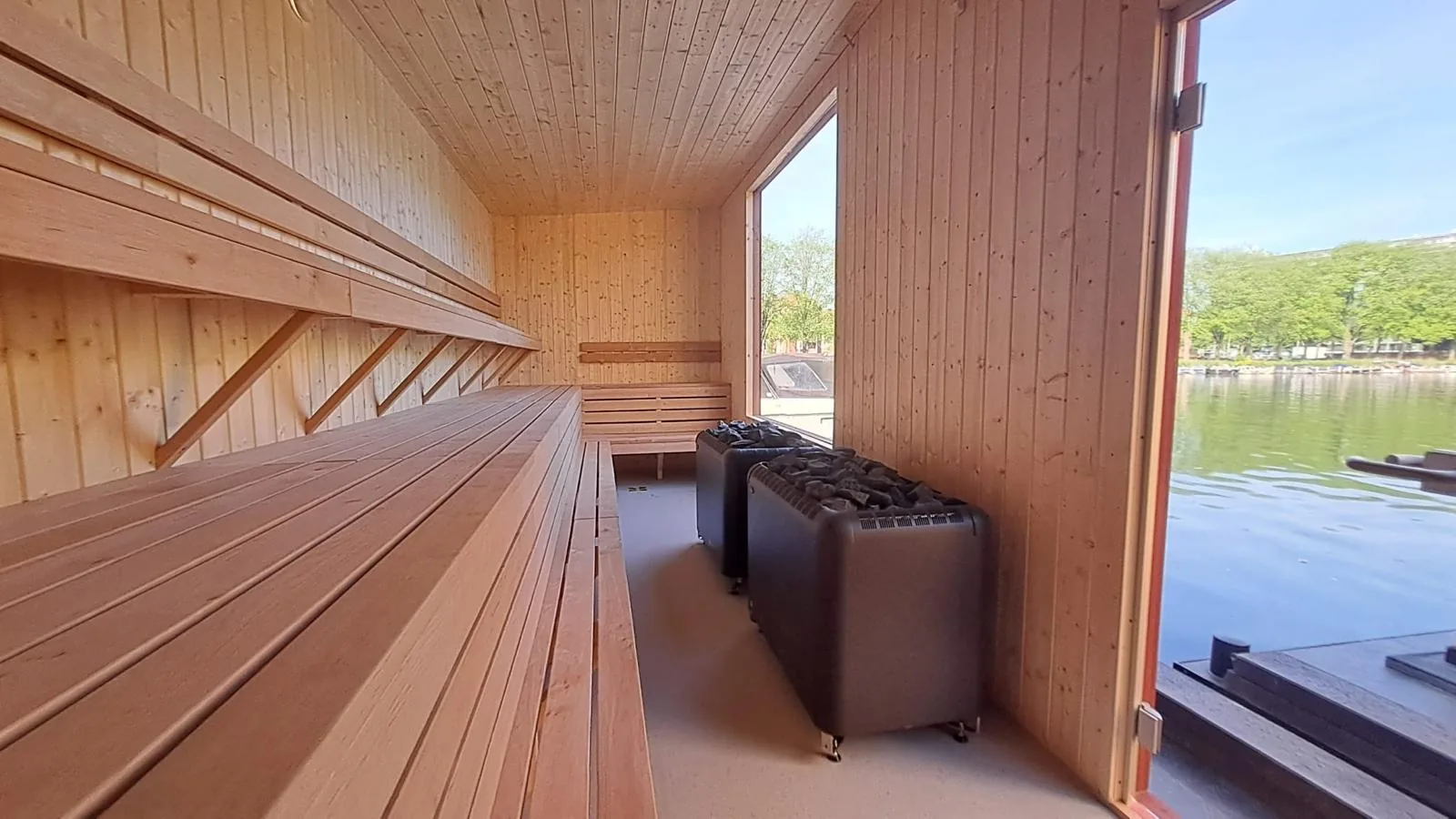
Legendary Mornings: A 6am Social Ride and Sauna to Start Your Day on Your Terms
A new community morning from Legendary Rides in Amsterdam: a 25 km social ride at 6am, followed by a sauna and a cold plunge at Badhus.
3 min read Yannick & Kees
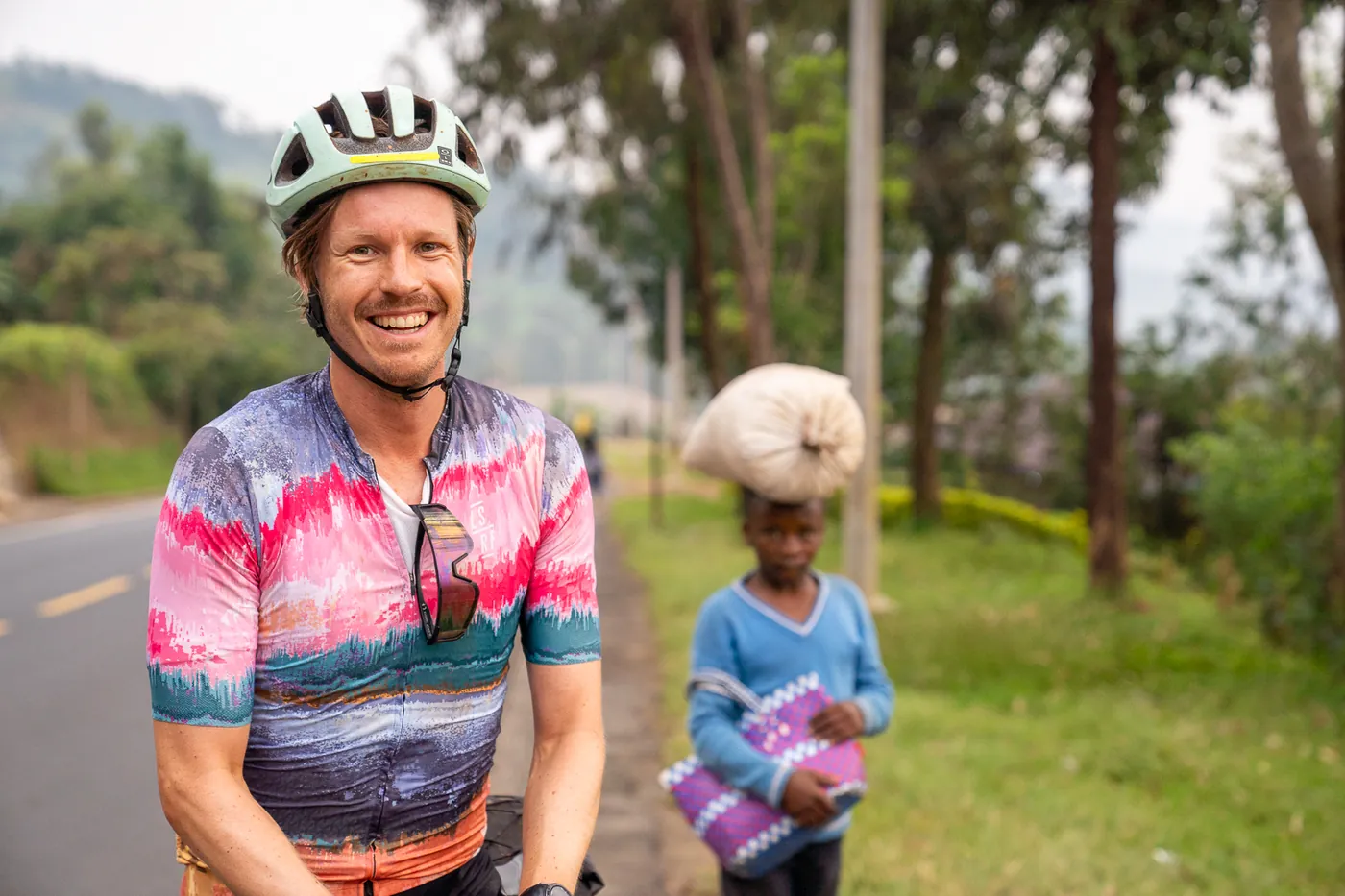
Why I Founded Legendary Rides
From corporate life to cycling adventures: how bikepacking through Rwanda's thousand hills inspired a new chapter focused on helping others create unforgettable memories on two wheels.
2 min read Kees Wouters