Adventure Stories
Bikepacking in Rwanda: 1,000 Kilometers Through the Land of a Thousand Hills
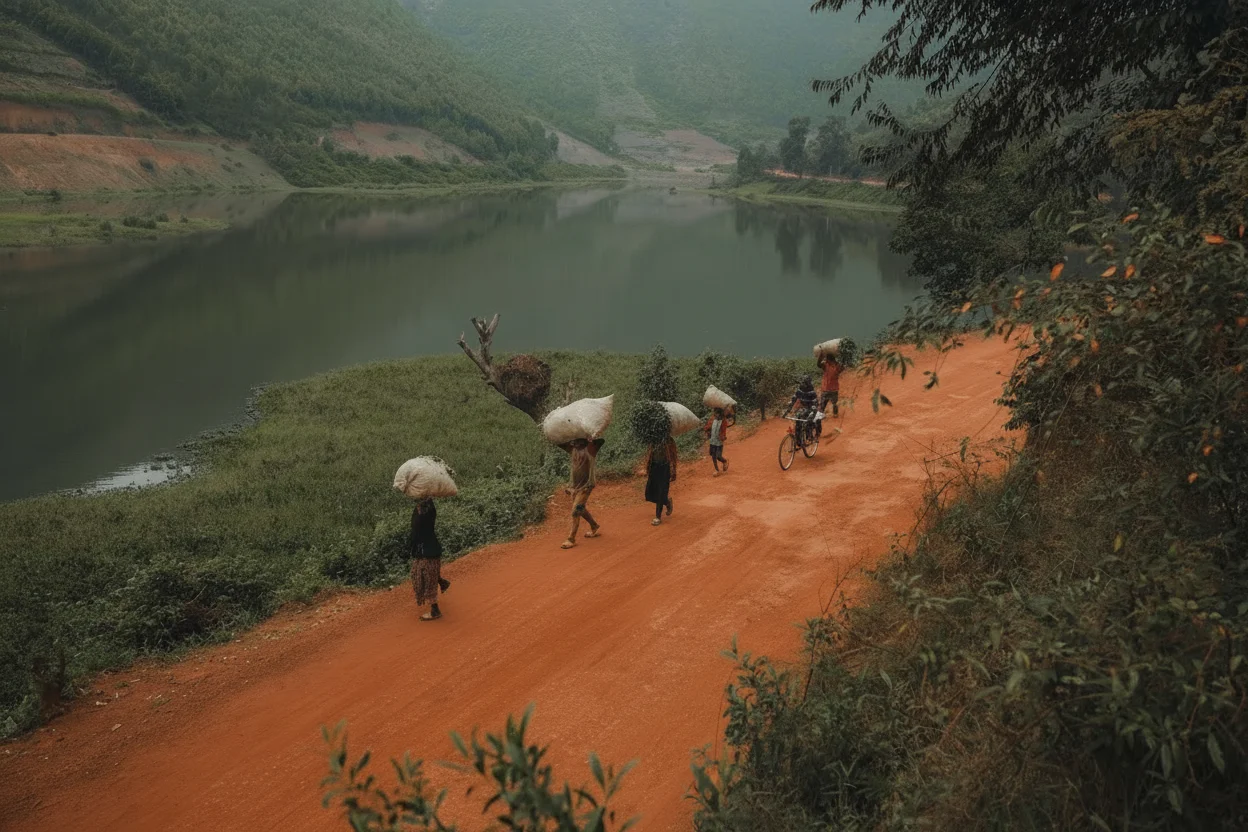
In the beginning of 2025, I bikepacked around Rwanda and the first thing I noticed was how good the roads are. I cycled approximately 1,000 km across the country and experienced the full variety of landscapes Rwanda has to offer. Every day brought a completely different scenery, which made cycling there incredibly interesting.
The Roads of Rwanda
I cycled on both tarmac and off-road gravel roads. The tarmac roads are very well maintained, clean, and quiet, except in the capital, Kigali, where traffic can be busy. Overall, paved roads are comfortable and easy to ride.
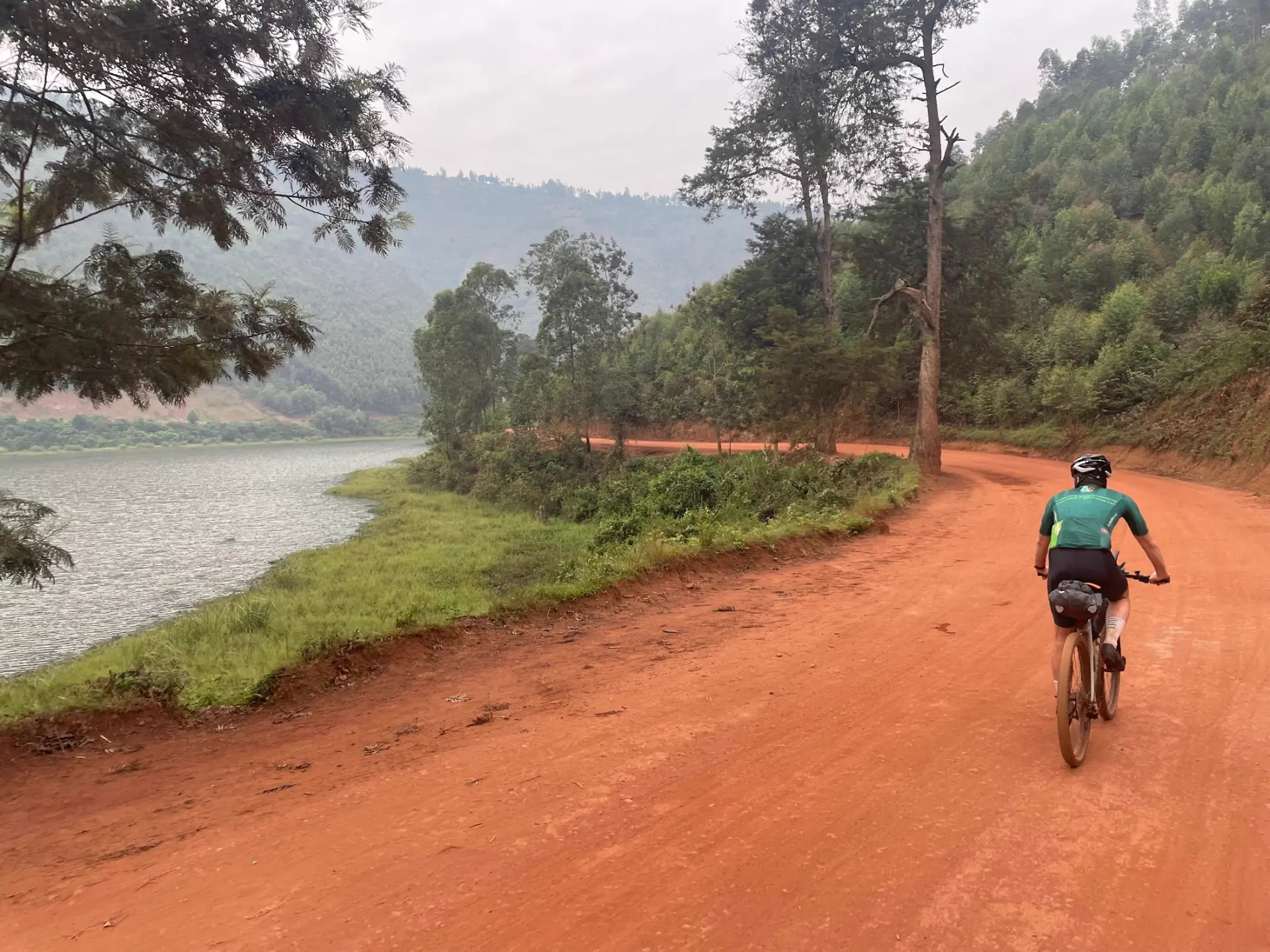
The gravel roads are more challenging. In the southeast and east of the country, the gravel is smoother and the terrain is less hilly. As the landscape becomes more mountainous, the gravel roads get tougher. Near the volcanoes in the northwest, the surface is very rocky, while in the southern jungle the roads are steep and slippery. One thing to remember: roads in Rwanda are never flat.
Ride Rwanda without the planning
Rwanda, The Thousand Hills is a fully arranged 11-day trip with tested routes, accommodation and local support. Happy to answer any questions, just reach out.
A World of Diversity in a Small Country
What makes Rwanda truly special is the diversity of landscapes within such a small area. The east has lower altitude and savannah-like grasslands. The north features humid swamps, while the northwest is home to volcanoes, high altitudes, and mountain gorillas. In the southwest, you'll find Lake Kivu surrounded by coffee farms. Further south lies the Nyungwe rainforest, home to many species of monkeys. Every day offers a new landscape to explore.
Safety and Hospitality
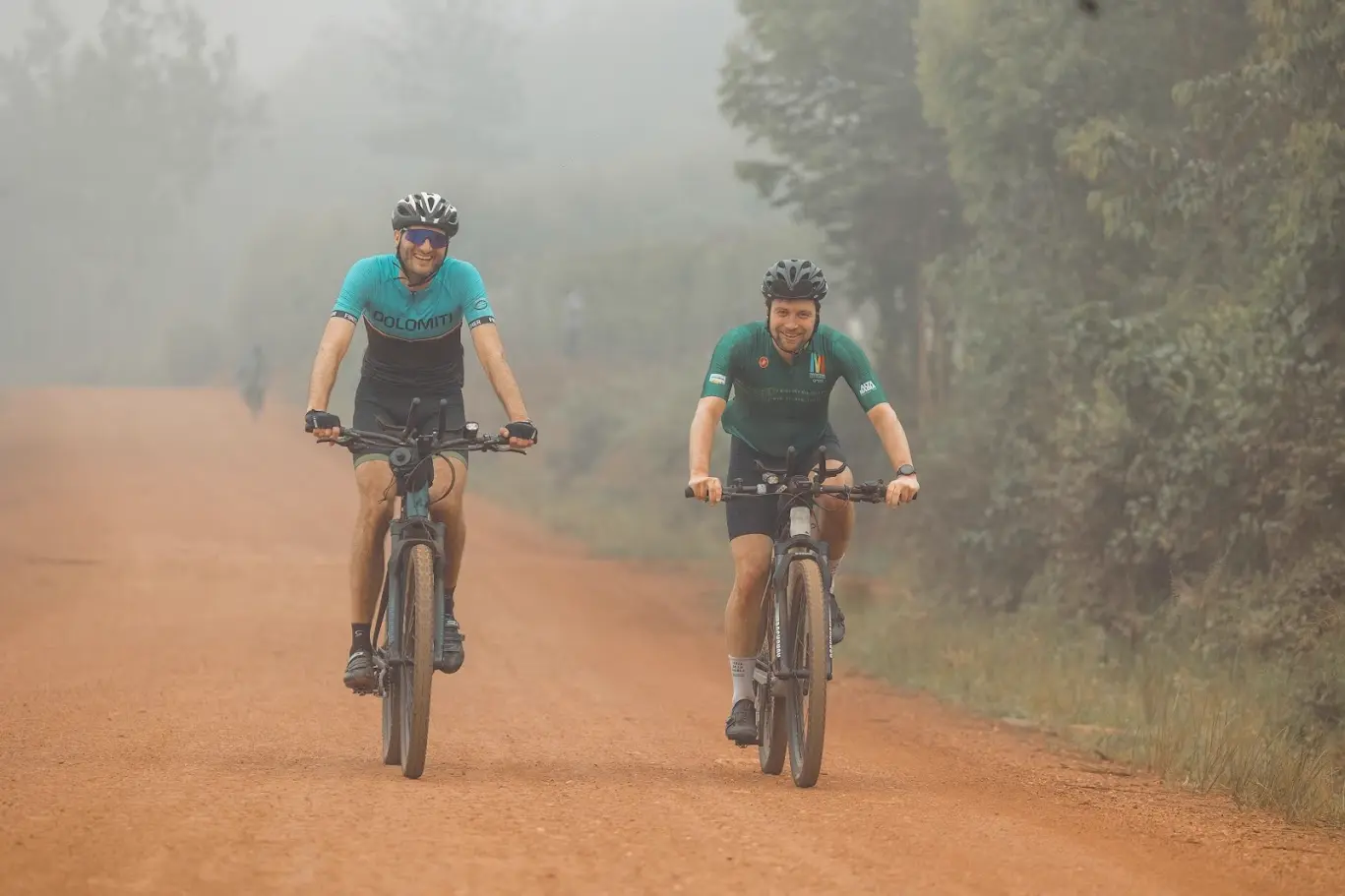
Finally, Rwanda is one of the safest countries in Africa. People are incredibly welcoming, and cycling through the country brings a lot of excitement, especially from children. Rwanda is safe and well suited to explore by bike.
What You Need to Know Before Bikepacking in Rwanda
Rwanda is best ridden on a gravel bike with 40mm or wider tyres, wide enough for the rougher dirt roads but fast enough on the excellent tarmac. Mountain bikes work but you'll be slower on the paved sections.
The best time to ride is during the dry seasons: June to September, and December to February. Avoid the long rains in April and May, when the laterite gravel roads turn slick and steep climbs become very difficult.
Flying to Kigali from Amsterdam usually means a change in Nairobi, or you can fly direct from Brussels. Several long-haul airlines carry your bike free of charge; with others, factor in €50 to €100 each way.
Legendary Rides runs both self-guided and guided bikepacking trips through Rwanda. Whether you want a fully independent Rwanda cycling tour or prefer to ride with a small guided group, routes are tested, stays are arranged, and support is on call.
About the author
Jorn is a bikepacker who rode roughly 1,000 km solo across Rwanda in early 2025. He writes about the roads, landscapes and practical side of long-distance gravel riding for Legendary Rides.
Chat with Kees on WhatsApp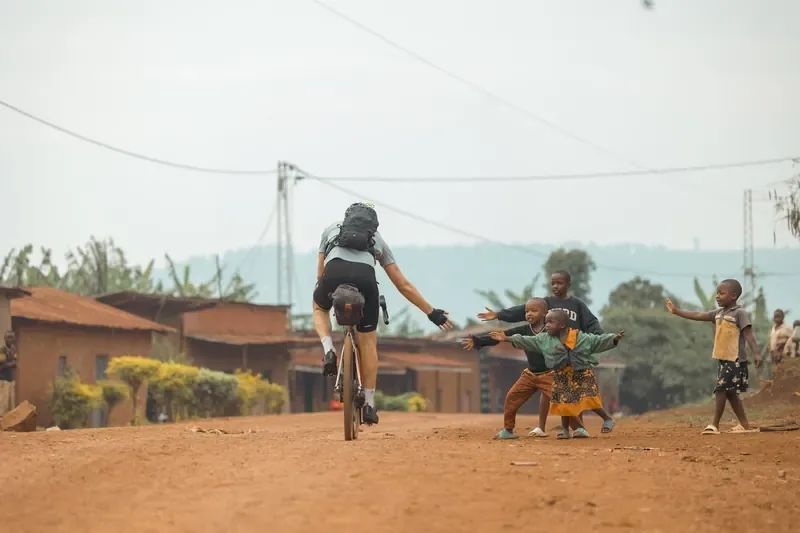
from €2,195
Red gravel, tea country and the Congo Nile Trail. The people are even more beautiful.
Find out moreRead next
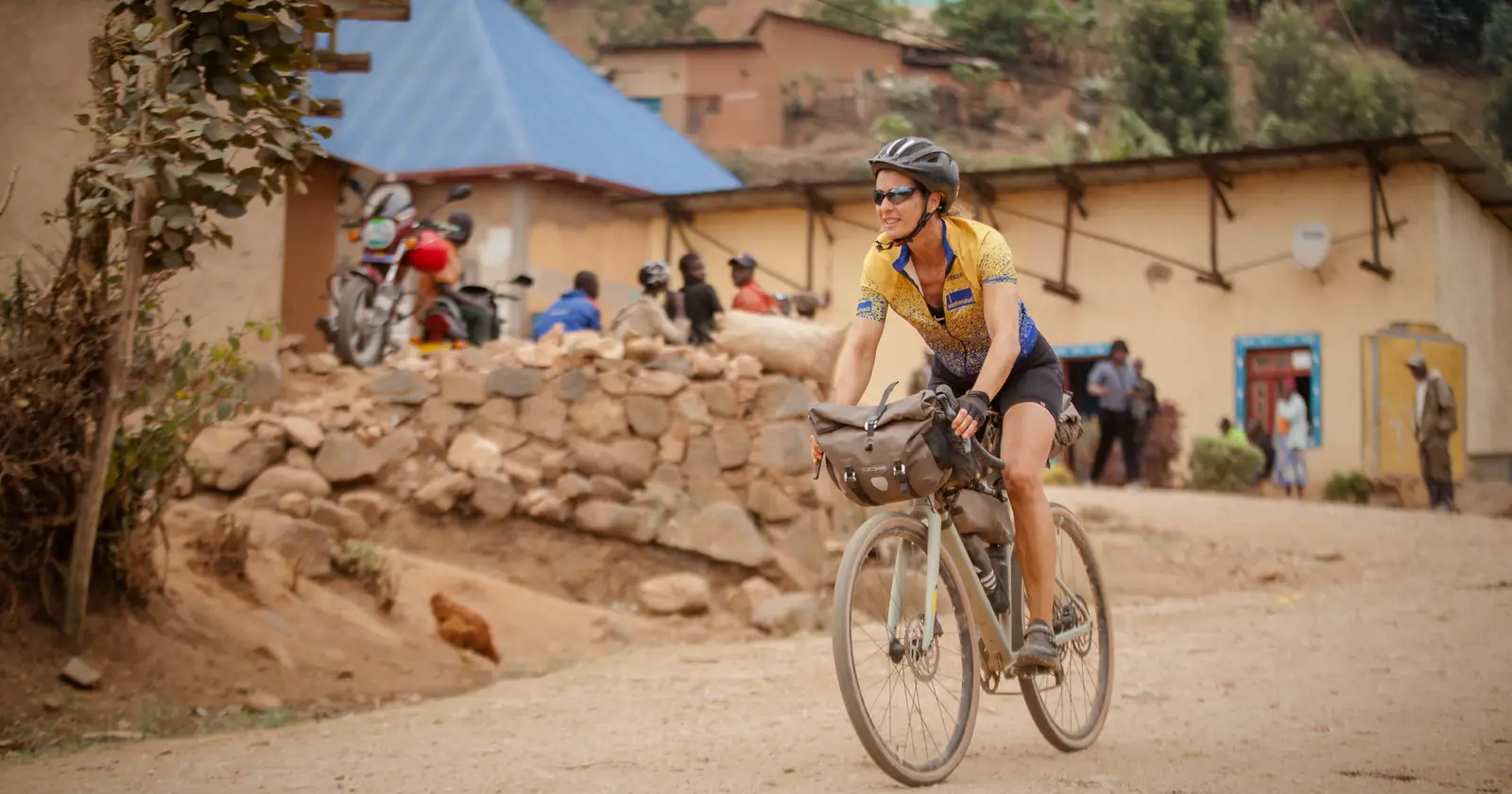
Gravel Cycling in Rwanda: Pascalle's Group Trip Diary
Pascalle had never ridden eight days in a row. In September 2026 she joined our guided gravel trip in Rwanda: 500 km and nearly 13,000 m of climbing.
11 min read Pascalle
Bikepacking in Andalusia: The Badlands Loop from Granada
Bikepacking in Andalusia: a self-guided gravel loop from Granada through the Gorafe desert, 5 to 8 days. Shorter days, real climbing, harder options.
8 min read Yannick